

RV Refrigerator Troubleshooting: When It's Not Cooling Right
A practical diagnostic guide for RV refrigerators that aren't cooling properly. Covers absorption vs compressor units, common failure modes, the Norcold recall situation, and what's owner-doable vs technician territory.
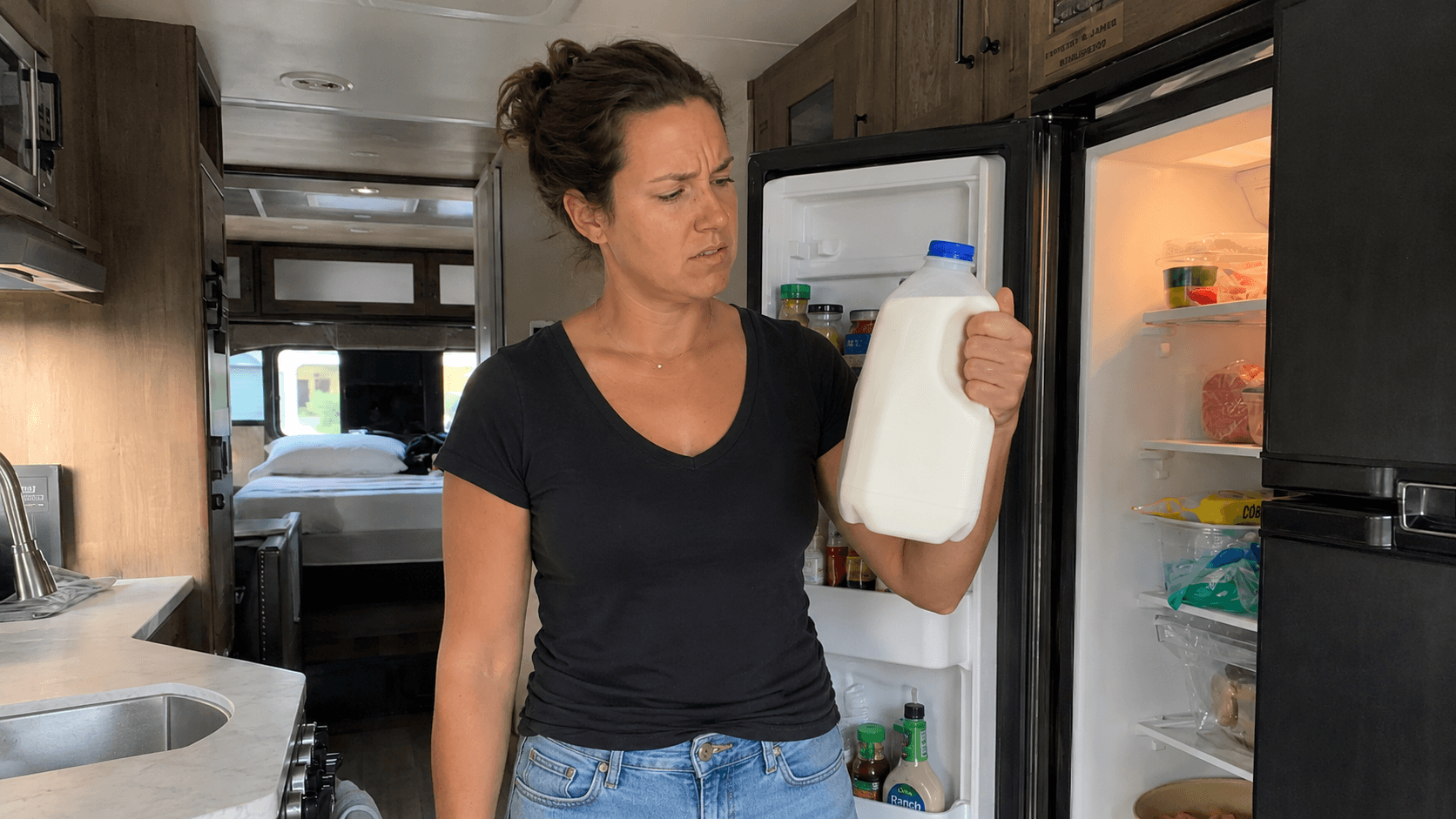
Few things ruin a trip faster than opening the fridge on day two and finding everything warm. RV refrigerators are unusual appliances, and the symptoms they show when they're failing often don't map cleanly onto what you'd expect from a household fridge. A warm interior could mean the unit is dead, the cooling unit has failed, the rig isn't level, the ambient temperature is too high, the rear venting is blocked, the gas supply has a problem, or any of a dozen other possibilities. The right diagnosis depends on figuring out which of those is happening, and that starts with understanding what kind of fridge you have.
This guide is organized to help you work through the most common failure modes and arrive at a real diagnosis, not a guess. A few things up front:
The information below is for diagnostic purposes. RV refrigerators have specific safety considerations, including a serious one related to the Norcold recall history covered in a dedicated section below. Read that section even if your fridge is currently working fine, because the warning signs apply to any absorption unit and they're worth recognizing.
For owners with meaningful technical experience, more of what's below is in your range. For owners who don't have that background, the safer cutoff is checking power, leveling, ventilation, and propane supply. Beyond that, refrigerator service is technical work that benefits from a qualified RV technician.
Two kinds of RV refrigerator, and they fail differently
Almost every RV refrigerator falls into one of two categories. Knowing which you have is the first diagnostic step, because the troubleshooting path is different.
Absorption refrigerators are the traditional type. They use no compressor and have no moving refrigerant parts. Instead, they rely on heat (from propane combustion or an electric heating element) to drive an ammonia-water absorption cycle. The cooling unit at the back of the fridge contains an ammonia-water solution; heat boils the ammonia out of the water, the ammonia vapor rises, condenses, evaporates inside the cooling chamber (which is what makes the inside cold), and then recombines with the water in the absorber section. The cycle repeats continuously. Common brands: Dometic, Norcold. These units can typically run on either 120V AC shore power, propane, or sometimes 12V DC.
Compressor refrigerators work the same way as a household fridge or a high-end cooler. They use a compressor and a sealed refrigerant loop. They generally run on 12V DC and can be much more efficient than absorption units. They're increasingly common in newer rigs, especially those designed for boondocking. Common brands: Dometic (newer compressor models), Nova Kool, Isotherm.
If you're not sure which you have, look at the back of the unit through the outside vent. Absorption units have a complex set of pipes (boiler, condenser, absorber, evaporator) and usually a propane burner. Compressor units have a compressor that looks like a small motor and only electrical connections.
The diagnostic flows are different enough that the rest of this guide is mostly organized around absorption refrigerators, which still represent the majority of RV refrigerators in the field. Compressor-specific notes are flagged where relevant.
The basics: check these first
Most RV refrigerator complaints resolve at the basics-checklist stage. Before assuming a major failure, work through these in order.
Check the power source. If you're running on shore power, is the rig actually connected and getting voltage? If you're running on propane, is the tank turned on, and is it full or near-full? Many fridges can run on either, but they need at least one source to actually be available. If the fridge has a digital display and it's dark, you have no power going to the unit at all, which is an electrical problem rather than a refrigeration problem.
Check the mode. Absorption fridges often have automatic mode that selects between shore power and propane based on what's available, but they can also be manually set to one or the other. If the unit is set to AC-only and you're parked without shore power, it won't run. If it's set to gas-only and your propane is empty, same problem. Cycle through the modes to confirm it's actually trying to run.
Check that the rig is level. This matters more than people expect. Absorption refrigerators rely on gravity to circulate the ammonia-water solution. If the rig is significantly off level, the solution doesn't flow correctly and cooling fails. Manufacturers generally specify a maximum tilt of about three degrees in any direction during operation. A rig parked on a sloped site or with a flat tire can be well outside that tolerance. Level the rig with the bubble level or your built-in level system and let the fridge run for several hours before deciding it's broken. Compressor refrigerators don't have this constraint; they work at any reasonable angle.
Check the rear ventilation. Absorption refrigerators expel heat through the rear vents on the outside of the rig (usually two: an upper roof vent and a lower side vent). Anything blocking those vents kills cooling performance. Look at the outside vents and confirm there's no nest, debris, or accumulated dust. Inside the rear compartment, check that the cooling fins aren't covered in pet hair or insulation displaced during travel. Many rigs have a small fan inside the rear compartment that aids airflow; if it's failed and the climate is hot, the fridge will struggle.
Check the ambient temperature. Absorption refrigerators are temperature-sensitive in ways that household fridges aren't. In a rig parked in full sun with the outside air over 95°F, an absorption fridge may simply not have enough cooling capacity to keep up. This isn't a malfunction; it's a limitation of the physics. Park in shade, run the AC to cool the rig's interior, or add a thermometer-controlled rear-compartment fan to improve airflow. Some owners install dedicated cooling-unit fans for hot-weather camping; they make a real difference.
Check the door seal. A weak gasket lets warm air infiltrate continuously and the fridge can never catch up. Run a dollar bill around the door perimeter with the door closed; if it pulls out easily anywhere, the seal needs replacement. Many seals are owner-replaceable.
If none of the basics resolve the issue, move to the symptom-specific sections below.
Symptom: The fridge won't run at all
No display, no fan noise, no propane flame, no signs of life. This is an electrical or supply problem, not a refrigeration problem.
Verify power at the unit. For shore power, confirm the rig has 120V AC at the panel and that the fridge breaker is on. For 12V DC (which absorption fridges need to run their electronics even when on propane), confirm the house battery is charged and the relevant fuses are intact. Many absorption fridges won't run at all without 12V DC available to power the control board, regardless of which heat source they're set to use.
Check the fuses on the fridge itself. Most units have one or more fuses on the back of the unit or on the control board. Consult your service manual or the Dometic documents database for your specific model. A blown fuse on the control board is a common cause of total failure.
Check the control board. If power is reaching the unit but nothing is happening, the control board may have failed. This is technician territory for most owners; control board replacement is straightforward if you can source the part, but diagnosing which component on the board has failed often requires multimeter work and familiarity with the specific schematic.
Symptom: The fridge runs but doesn't cool
This is the most common complaint and has the most possible causes. Work through these systematically.
Confirm the cooling unit is actually working. With the fridge on for several hours, touch the rear cooling unit (carefully; it can be hot in places). The boiler section (top of the cooling unit) should be hot. The absorber section (lower, runs down the back) should be warm. The evaporator section (inside the fridge, behind the rear wall of the food compartment) should be cold. If the boiler is hot but nothing else feels right, you may have lost the ammonia charge, which is a cooling unit failure (more on that below).
Verify the heat source is delivering. For propane operation, listen for the burner. You should hear a steady soft hiss when the burner is lit. If you can see the burner area (behind the lower outside vent), the flame should be steady blue, not yellow or flickering. A yellow flame indicates incomplete combustion and usually means the burner orifice needs cleaning. For electric operation, the heating element should warm noticeably after 15 to 20 minutes; if it stays cold, the element has failed.
Check leveling and ventilation again. Many "fridge runs but doesn't cool" complaints turn out to be a slight level issue or a partially blocked rear vent. It's worth re-checking these after letting the unit run.
Consider ambient conditions. As noted above, absorption fridges struggle in extreme heat. If the rig is in full sun, internal temperatures are high, and the climate is genuinely hot, the fridge may be working as well as it can and simply not be enough. This is where rear-compartment fans, sun shades, and parking in shade make the largest difference.
Check the thermistor. The thermistor is a small temperature sensor inside the fridge that tells the control board the current interior temperature. A failed or misplaced thermistor will cause the control board to think the fridge is colder than it actually is, and the unit will cycle the heat source incorrectly. Thermistor replacement is relatively straightforward DIY for owners comfortable with small electronics.
Lost ammonia charge. If the cooling unit has developed a crack or leak and lost its ammonia-water solution, no amount of troubleshooting elsewhere will fix the problem. You may see yellow residue (sodium chromate, a corrosion inhibitor in the solution) inside the rear compartment, or smell a sharp ammonia odor near the unit. This is a failed cooling unit, which is the most expensive repair on an RV refrigerator and often costs more than replacing the entire fridge with a newer model. See the safety section below; a leaking absorption unit is a real fire hazard.
Symptom: The fridge cools on one mode but not the other
If propane works and AC doesn't, or vice versa, the cooling unit itself is fine. The problem is specifically with one of the heat sources.
AC works, propane doesn't. Common causes: empty or low propane tank, closed valve, blocked or dirty burner orifice, failed igniter, failed gas valve, weak thermocouple. Start with the obvious (is the tank full and valve open?) and work toward the more technical. Burner cleaning is owner-doable with care; gas valve and thermocouple work is typically a tech call.
Propane works, AC doesn't. Common causes: tripped breaker, failed heating element, failed AC heating element relay on the control board. Verify the breaker first, then check whether the heating element is getting current with a multimeter.
Neither works. If the cooling unit is fine but neither heat source is producing cooling, the control board has likely failed.
Symptom: The fridge cycles on and off unpredictably
Erratic cycling usually points to a sensor or control problem rather than a cooling problem.
Thermistor failure. A thermistor that's reading wildly inaccurate temperatures will produce erratic cycling. Replacement is straightforward.
Loose thermistor connection. Sometimes the thermistor is fine but its connection to the control board has worked loose. Open the rear access and verify the connection is secure.
Control board. If sensors are intact and the cycling is erratic, the board itself may be failing. Control boards on absorption fridges are known to weaken over time, especially in rigs that see voltage instability on shore power. Surge protection at the rig's electrical inlet protects them somewhat.
Voltage issues. If the rig is on a marginal shore power pedestal delivering below-spec voltage, the control board can behave erratically because it's brown-out cycling. The same EMS protections that protect other 120V appliances apply here.
Safety: ammonia leaks and the Norcold recall situation
This section is critical. Skip it only if you're certain your fridge is unaffected.
Recognize the warning signs of a leaking absorption unit. If you notice any of the following, stop using the fridge and have it evaluated:
- A sharp ammonia smell in or near the fridge compartment
- Yellow powdery residue (sodium chromate) inside the rear compartment
- Visible green or yellow stains on the cooling unit
- An audible gurgling or boiling sound from the cooling unit when it shouldn't be running
A leaking absorption cooling unit can release hydrogen gas (a byproduct of the ammonia cycle), which is flammable. Combined with the propane burner that's part of the same unit, this creates a real fire risk. The mechanism is well-documented: a fatigue crack in the cooling unit pipes allows refrigerant solution to escape, and continued operation can lead to ignition.
The Norcold recall. Beginning in 2010 with NHTSA Recall Campaign 10V563 and expanded in 2011 under 11V074, Norcold recalled large numbers of absorption refrigerators (1200, 1201, 1210, 1211 series initially, with later expansion to N6 and N8 series) due to a cooling unit defect that could cause fires. The recall remedy was installation of a High Temperature Sensor kit that automatically shuts off the unit when it overheats.
If you own a Norcold refrigerator and you haven't confirmed your recall status, do that immediately. Thetford maintains the authoritative current recall information, including the affected serial number ranges and the dealer process for installing the sensor kit. Their guidance is direct: owners of recalled refrigerators should not operate their refrigerator until it has been professionally repaired.
A note on the current state of Norcold service. Norcold filed for Chapter 11 bankruptcy in late 2025 with thousands of outstanding product liability claims. As of this writing, recall service is still being handled through Thetford and authorized service centers, but the situation continues to evolve. If you have a recalled unit and are having difficulty obtaining service, contact Thetford directly through the recall page above for current routing information.
The High Temperature Sensor is a safety device, not a complete fix. The kit shuts off the unit when overheating is detected, which prevents fires from happening. It does not repair the underlying boiler tube fatigue issue. If your unit develops a leak (yellow residue, ammonia smell), the sensor may not protect you, and you should stop using the unit and replace the cooling unit or the entire refrigerator. Many RV technicians recommend monitoring older Norcold units closely even after recall service has been performed.
Dometic absorption units have had their own service issues over the years but have not been subject to the same scale of safety recalls. The same general warning signs (ammonia smell, yellow residue) apply to any absorption refrigerator. If you see those signs on any unit, stop using it.
When to call a technician
The cutoff is fuzzy because it depends on the owner's experience, but a few situations are reliably tech territory.
Any ammonia leak indicator. Don't attempt to repair a leaking cooling unit yourself. Stop using the fridge and have it evaluated. Most RV technicians will replace the cooling unit rather than attempt to repair a damaged one.
Control board work beyond basic fuse replacement. Modern fridge control boards are complex enough that diagnosing component-level failures requires familiarity with the specific schematic and proper test equipment.
Gas system work involving the valve, regulator, or supply lines. Propane work has safety implications that put it firmly in the technician category for most owners.
Cooling unit replacement. The cooling unit is the heart of the fridge and replacing it requires technical skill, specific tools, and physical handling of a large heavy component filled with corrosive liquid.
That said, owner-level refrigerator work that's within reach for someone comfortable with basic mechanical and electrical tasks includes: cleaning burner orifices, replacing thermistors, replacing door gaskets, installing rear-compartment fans, replacing fuses, and the general maintenance described below.
Maintenance that prevents most issues
Most refrigerator failures are preventable with basic attention. Build these into your seasonal rhythm:
Before each trip. Run the fridge for at least 12 hours before loading it. This lets you confirm cooling performance and catch problems before you've filled the unit with food. Verify the rear vents are clear from outside the rig.
Annually. Pull the lower outside vent panel and clean the rear cooling unit area thoroughly. Vacuum out any debris and wipe down the cooling fins. Verify the burner orifice is clean (consult your specific service manual or have a tech do this if you're not comfortable). Check the door gasket for compression and replace if it's not sealing tightly.
Every few years. Replace the door gasket proactively even if it still seems to seal. Consider adding a rear-compartment fan if you don't have one and you camp in warm climates.
Whenever you suspect a problem. Don't ignore symptoms. Yellow residue, ammonia odor, or unexplained heat at the back of the unit are all signals worth investigating before they become safety issues.
The hardest part of refrigerator maintenance isn't doing it; it's remembering what's due and when. RVKeeper handles that side. You give the app your year, make, and model, it researches your rig, and you start with a maintenance schedule built around exactly what you own, including the refrigerator checks that catch problems before they become expensive failures. When something's due, you get a reminder. When you complete a task, the app logs it, and the plan keeps tuning itself to your rig the more you use it. Add a photo of your refrigerator's model and serial label to one of its tasks, and it is right there the next time you need to check for a recall. The free Essentials Plan covers eight categories of your rig, the ones most likely to cause expensive damage if neglected, and RVKeeper Pro adds your refrigerator and the rest of your appliances.
The bigger picture
Most RV refrigerator problems are predictable. The absorption refrigerator has been the dominant technology for decades, and the failure modes are well-understood. The Norcold safety situation is the major exception, and it's worth the few minutes it takes to verify your unit's recall status if you haven't already.
The fridge is also one of the few components in an RV where neglect can cause real harm. Most maintenance lapses cost money. A neglected absorption cooling unit can start a fire. Build the inspection habit, recognize the warning signs, and don't keep operating a unit that's giving you any ammonia-related signals.
If your troubleshooting has prompted a wider look at the rig, the annual RV maintenance checklist covers the broader inspection rhythm, the rv air conditioner not cooling guide handles the cooling system, and the electrical troubleshooting guide covers the power systems that feed everything including the fridge.
Catching the small problems before they become big ones is most of what keeps an RV reliable over time. With the refrigerator specifically, that principle protects more than just your trip; it protects the rig itself.
RVKeeper
Never miss a refrigerator inspection again
RVKeeper builds your refrigerator maintenance into your specific rig's schedule, including vent and airflow inspections, door seal checks, and burner and flue inspections on gas units, so problems are caught before they become safety issues. The Essentials Plan is free forever and covers eight categories of your rig, the ones most likely to cause expensive damage if neglected.
Download RVKeeper
Personalized maintenance tracking built around your specific rig.
Frequently asked questions
How do I know if I have an absorption or compressor RV refrigerator?
Look at the back of the unit through the outside vent. Absorption units have a complex set of pipes for the boiler, condenser, and absorber, and usually a propane burner, while compressor units have a small motor-like compressor and only electrical connections. Absorption fridges run on propane or electricity and still make up the majority of RV refrigerators, while compressor units run on 12V DC and are common in newer rigs.
Why is my RV refrigerator not cooling?
Common causes include the rig being off level, blocked rear ventilation, high ambient heat, a weak door seal, a failed heat source, or a lost ammonia charge in the cooling unit. Start with the basics by leveling the rig, clearing the vents, and confirming the burner or heating element is working. Absorption fridges in particular struggle in full sun with outside temperatures over 95 degrees.
Does my RV need to be level for the refrigerator to work?
Yes, for absorption refrigerators. They rely on gravity to circulate the ammonia-water solution, and manufacturers generally specify a maximum tilt of about three degrees in any direction during operation. Level the rig and let the fridge run several hours before deciding it is broken, since compressor refrigerators do not have this constraint.
Is the Norcold refrigerator recall something I should worry about?
Yes, if you own an affected Norcold absorption unit. Beginning in 2010, Norcold recalled large numbers of refrigerators over a cooling unit defect that could cause fires, with the remedy being a High Temperature Sensor kit. Verify your recall status through Thetford, which maintains the authoritative recall information, and do not operate a recalled unit until it has been professionally repaired.
What are the warning signs of a dangerous refrigerator cooling unit leak?
Watch for a sharp ammonia smell near the fridge, yellow powdery residue inside the rear compartment, green or yellow stains on the cooling unit, or gurgling sounds when the unit should not be running. A leaking absorption unit can release flammable hydrogen gas, which combined with the propane burner creates a real fire risk. If you see any of these signs, stop using the fridge and have it evaluated.
Why does my fridge cool on electric but not on propane?
If the cooling unit works on one source but not the other, the cooling unit itself is fine and the problem is with that specific heat source. For propane that will not run, check for a low tank, a closed valve, a dirty burner orifice, a failed igniter, or a weak thermocouple. Burner cleaning is owner-doable with care, while gas valve and thermocouple work is usually a technician call.
How long before a trip should I turn on my RV refrigerator?
Run the fridge for at least 12 hours before loading it with food. RV refrigerators take much longer to reach temperature than household units, and loading a warm fridge means food sits at unsafe temperatures while the unit struggles to catch up. Pre-cooling also lets you confirm it is working before you depend on it.